Prague

Na Václavce 117/1

A friendly guide for a first visit

Learn more about church etiquette, tradition, and what to expect during worship. This page is here to make a first visit to church calm, understandable, and welcoming.

First Visit

A friendly guide for those visiting an Orthodox church for the first time

A friendly guide for those visiting an Orthodox church for the first time
Language of the service
Services are celebrated in Ukrainian, but a newcomer does not need to know all of the texts by heart in order to be present in prayer.
Children and families
Children and families are welcome in the community. If a child needs to step out or rest for a while, that is completely fine.
Dress and reverence
Dress modestly and respectfully. What matters most is not outward perfection, but a peaceful heart and attentiveness to prayer.

01

Prepare for the service

Before entering the church, switch off your phone, quiet your thoughts, and come with an inward readiness for prayer.

Before entering the church, remove your hat if you are a man, switch off your phone, and take a moment to quiet your mind. Make the sign of the cross and say a short prayer of thanks.

Dress modestly and with reverence. For women this usually means covered shoulders and restrained clothing; a headscarf is traditional, though not required everywhere. For men, long trousers and a shirt are appropriate. Avoid clothing that is overly casual or revealing.
Prepare for the service

02

In the church and during the service

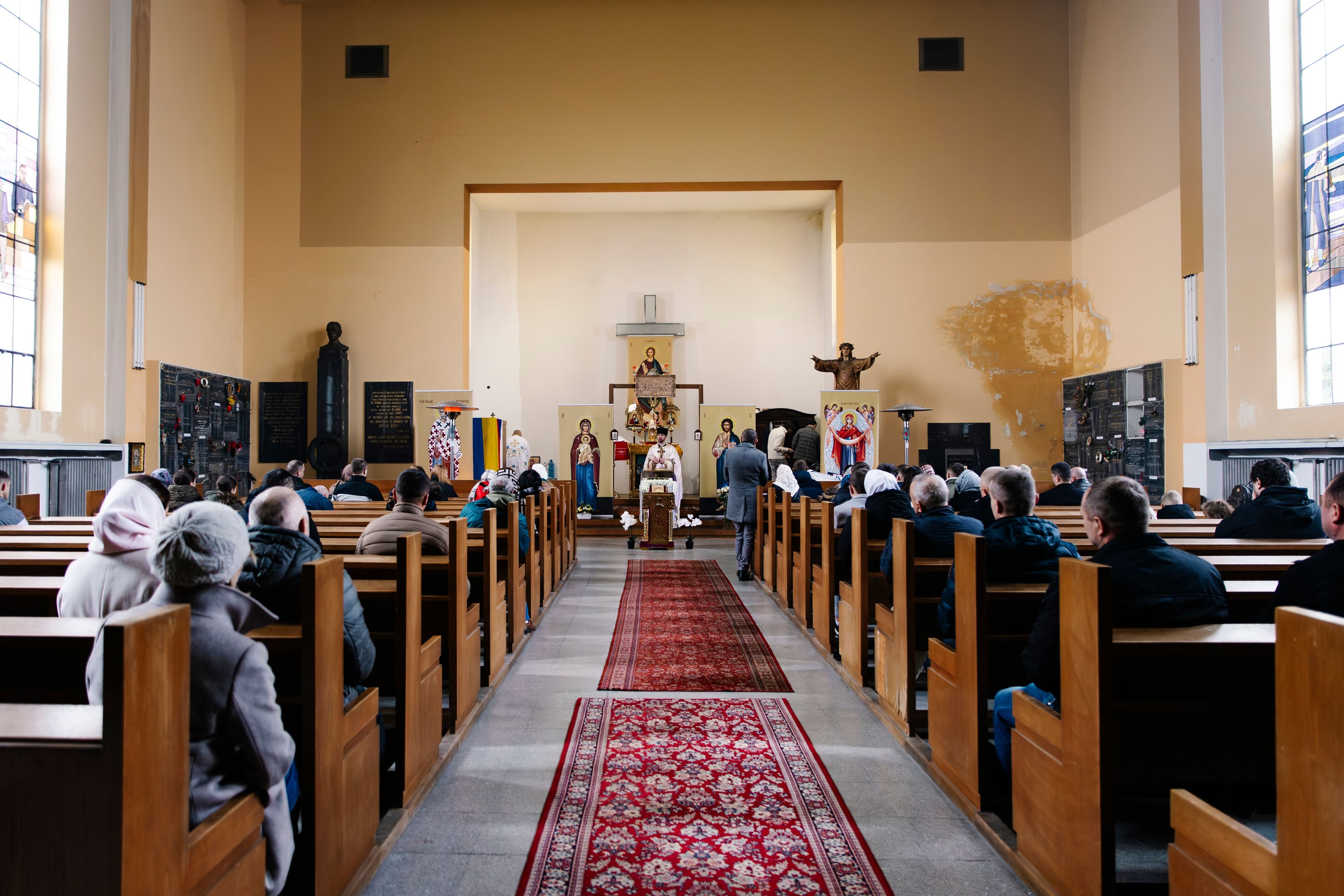
Stand quietly and attentively, listen to the prayer, and do not worry if you do not yet know every gesture or text.

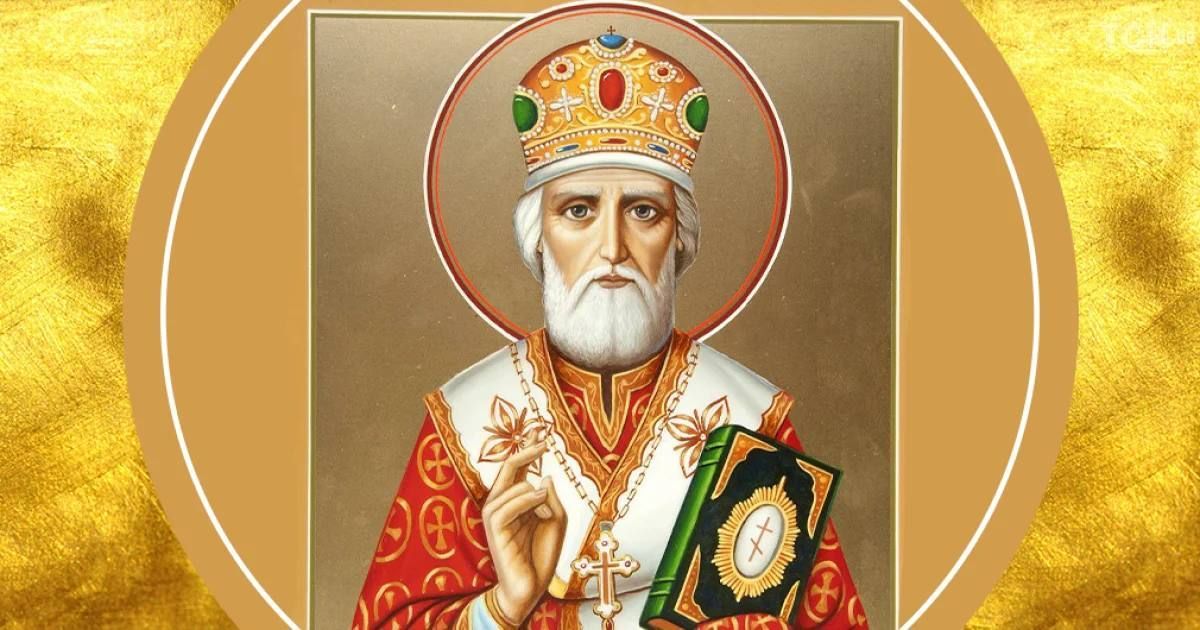
When you enter, you may light a candle as a sign of prayer, venerate the icons, and make the sign of the cross. This is an act of love and reverence, not superstition.

During the service, stand quietly and attentively. Avoid unnecessary conversation and walking around. If you do not know all of the prayers, simply listen and pray in your heart. Your sincere presence matters more than outward confidence.

In the church and during the service

03

Communion, confession, and prayer notes

Holy Communion is the Body and Blood of Christ. Those who receive Communion are baptized Orthodox Christians who have prepared through prayer, fasting, and confession. If you are not Orthodox, or if you have not yet prepared, you may approach the priest at the end for a blessing and antidoron.

Confession is a personal conversation with a priest in which a person acknowledges their sins and receives God's forgiveness. Prayer notes are short lists of names submitted for prayer at the liturgy: for health or for the departed.

04

After the service

After the service, you may approach the priest for a blessing, ask a question, and greet the community.

After the service, take a moment to give thanks to God. You may approach the priest for a blessing or ask a question. Do not hesitate to greet the other parishioners and join the coffee or conversation afterwards.

Frequently asked questions

Below you will find short answers to the questions that most often arise during a first visit to an Orthodox church.

Do I need to know all of the prayers?

No. It is enough to listen attentively and pray in your heart. Over time, the main prayers come naturally through participating in the services.

What should I do if I do not know when to make the sign of the cross?

You can simply stand respectfully and observe the community. After the service, you can calmly ask the priest or one of the parishioners.

May I sit down during the service?

Yes. If you are tired, unwell, or need to sit down, do so without embarrassment. Health and inner peace matter more than outward form.

What should I wear to church?

Choose modest and neat clothing. The main goal is to come with reverence, not to achieve outward perfection.

Short glossary

A few short explanations will help you understand terms that are often heard in an Orthodox church.

Holy Communion

The Body and Blood of Christ, received during the Divine Liturgy by baptized Orthodox Christians who have prepared themselves.

Prayer Notes

Short lists of names submitted for prayer at the liturgy: for the health of the living or for the repose of the departed.

Iconostasis

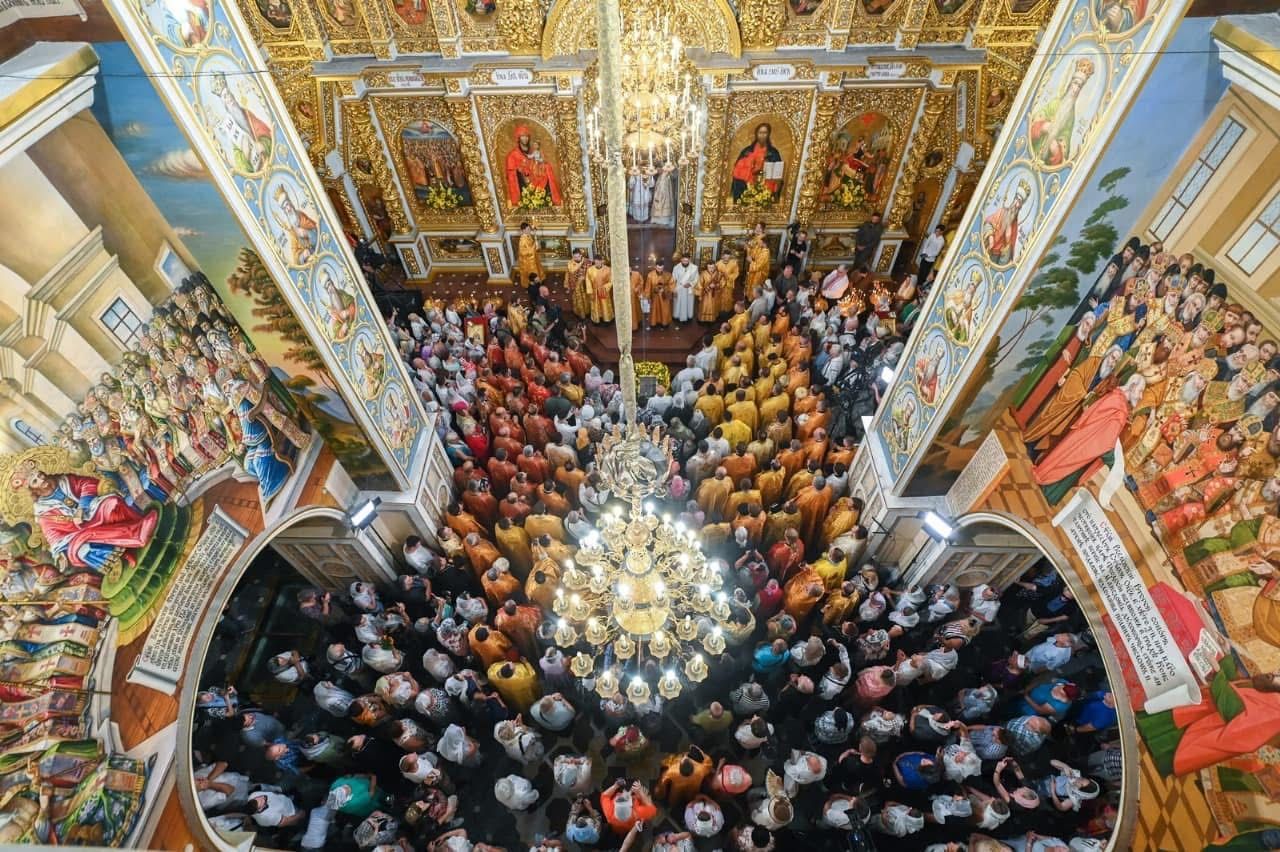
The wall of icons that separates the nave from the altar and symbolically points to the meeting of heaven and earth.

Antidoron

Blessed bread that is often distributed after the liturgy as a sign of fellowship and blessing.

You are always welcome

We hope this guide helps you feel calmer and more confident. Remember that everyone was once a first-time visitor in church.

Come as you are, and know that you are always welcome in our church family. "Come to Me, all who labour and are heavy laden, and I will give you rest." (Matthew 11:28)